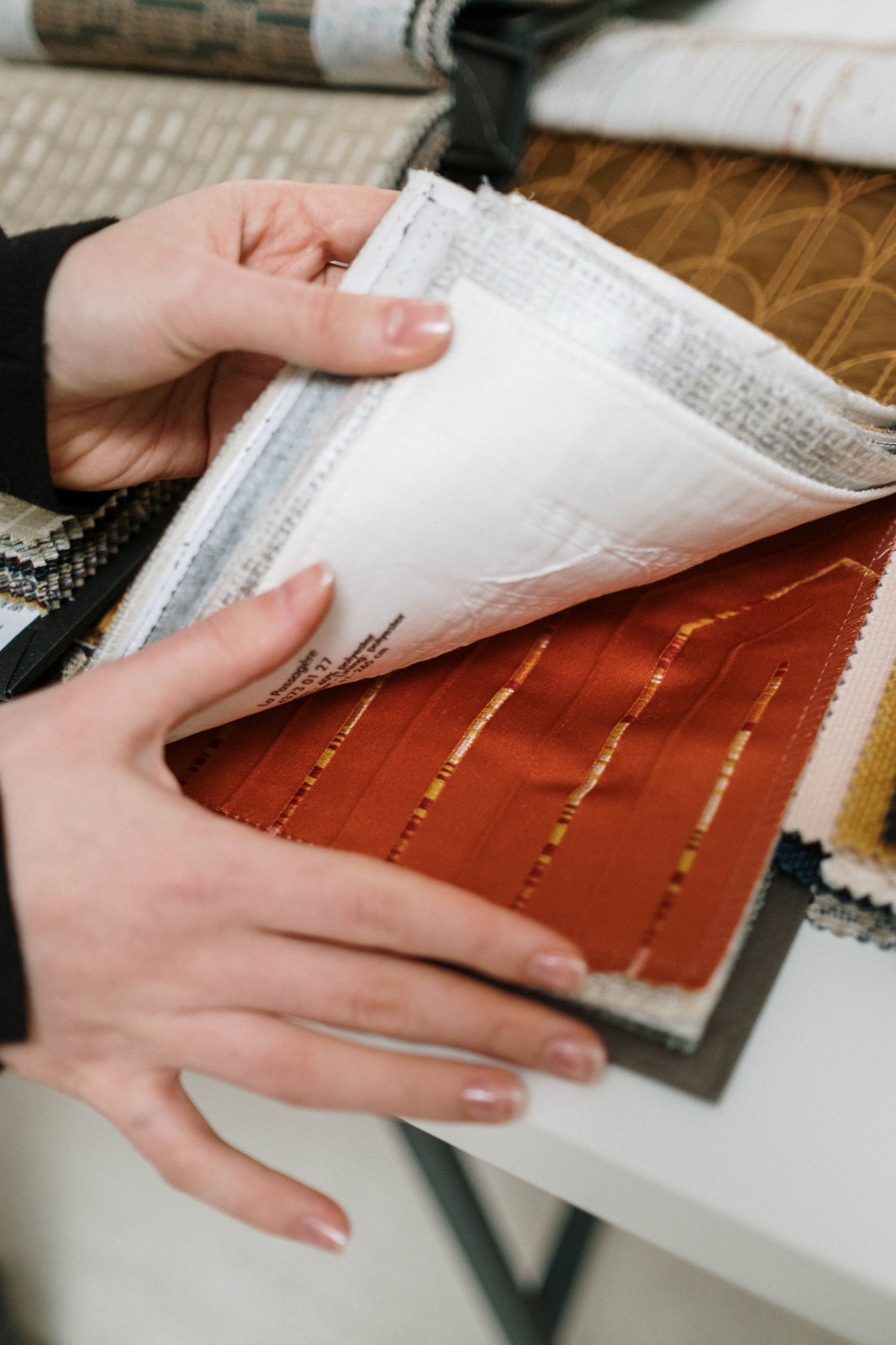
Most window shoppers are not time-wasters. Curtains and blinds are a considered purchase, and many people browse for weeks before they are ready, or come back a season later. The problem is not that they browse. It is that the only way they can browse in a salon is by taking up a person.
What a window shopper really costs
- Consultation time. An hour at the counter, or on the phone, explaining fabrics, headings and fullness to someone who is not deciding yet.
- Swatches that leave the shop. Samples go home "to think about it" and often never come back, together with the customer.
- Measuring visits for price collectors. The most expensive version: a trip, an hour on site, an offer written in the evening, for someone who asked three salons for the same quote.
- Messages after hours. "How would this look in my living room?" arrives on Messenger or Instagram at ten at night, and answering it properly takes as long as a visit.
- The buyer who waits. While the owner or the best consultant is busy with a browser, a customer who is ready to order stands in the queue, or leaves.
Several salon owners have told us the same thing in different words: they don't mind the questions, they mind not knowing which questions will turn into an order.
Why you can't just turn them away
Browsing is how people buy curtains now. Today's window shopper is often next month's customer, or the friend who recommends you. Being short with them costs referrals, and there is no reliable way to tell a browser from a buyer at the door. Asking for a fee for the first consultation filters people out, but it also filters out good customers who are simply cautious.
Let them qualify themselves
The better approach is to give browsers a way to answer their own question without your time, and to keep your time for the step that shows real intent: a request for a quote or a measuring visit.
What is the browser's question? Almost always the same one: how would it look in my room? A website gallery doesn't answer it, because it shows someone else's room. A swatch doesn't answer it either. That is why people ask you.
A self-service visualization does answer it. The customer uploads a photo of their own window and tries your fabrics on it, as many times as they like within the limits you set. The ones who are only curious get their answer and move on. The ones who like what they see press a button and ask you for a quote, already knowing which fabric they want.
Why not just publish prices?
It is tempting to put a price calculator on the website so browsers stop asking. For made-to-measure work it usually backfires. The real price depends on the measurements, the fullness, the heading, the track and the fitting, and a number calculated from a guess is wrong more often than it is right. A customer remembers the first number they saw. If your real quote is higher, you start the conversation by explaining why.
No number is better than a wrong number. Let the customer see the result, and let them get the real price from you, once you have the measurements.
How self-service works in practice
With the CurtainSpace customer visualizer the flow looks like this:
- You share a link. Reply to a "how would it look?" message with it, put it on your website or Google profile, or add a "See it in your room" button to your online shop. No shop is needed.
- The customer tries your fabrics on a photo of their own window, within the fabrics and options you allow.
- They request a quote or a measuring visit. The request lands in CurtainSpace as a project with their photo, the visualization they chose and their contact details, and you get an email.
- You add the measurements and the quote builds itself from your own rates. If you want, you show them a few more variants and send the quote as a link or PDF.
The browsing happens without you. What reaches you is a customer who has already seen your fabric in their own room and asked for a price.
What to watch out for
- Only offer what you can deliver. Show the fabrics and options you actually sell and can make, so a request never starts with "sorry, we don't do that".
- Lock what shouldn't change. If a fabric only works with one heading, don't let customers change it.
- Set limits. A cap per visitor and per month keeps costs predictable, however many people browse.
- Answer requests quickly. A quote request from someone who has just seen the result in their own room is the warmest lead you will get. Call or reply the same day.
Summary
Window shoppers are part of the trade, and many of them become customers. What costs a salon money is not their curiosity but answering it by hand. Let them see your fabrics in their own room on their own, and spend your time on the people who ask for a quote.
Let window shoppers try it themselves
Customers try your fabrics on their own window, from a link or your online shop, and send you ready quote requests.
See the customer visualizer